
Is it time to say goodbye to my pet?
Knowing when it’s time to help your pet with home euthanasia is a difficult decision. The decision requires courage, love, and perspective at a time when it is challenging to be objective about your beloved pet’s condition and quality of life. We are here to help and support you and your family as you navigate this time. Here are some important considerations when making this decision:
🐾 Pet’s are loyal & instinctively hide pain: Pets push through discomfort because they love us so much. Sometimes, a cherished pet’s struggle doesn’t appear dramatic at first~ Sometimes it just looks like your pet is off in a number of different ways initially, eventually though our loyal companions will reach a point where they just can’t hide their struggling and it often appears like a quick decline.
🐾 Quality of life (QOL) should assess mobility, basic functions such as appetite, drinking, bathroom habits, mood, hygiene, sleep, comfort, and level of interaction your pet seeks. Your family’s QOL in caring for your loved pet is also imperative and should be considered in this decision.
🐾 It is better to say goodbye a day early than a day too late. Truthfully, our hearts are never ready to let our beloved pets go, and the decision is a loving one made for them, so that they do not have to go through more struggling. It is better to help them on a better day, when they are not in a traumatic or in extreme pain, when you can say goodbye surrounding your pet with their favorite people and things, and they can appreciate your presence.
We are not deciding WHETHER your pet leaves, rather HOW your pet will depart. If you wish to ensure your pet’s final moments are at home, surrounded by loved ones and favorite things, it’s essential to plan ahead. We do understand that your pet’s condition may decline suddenly, requiring urgent assistance, and we always try to help if we can.
Resources to help as you navigate when to say farewell to a loved pet:
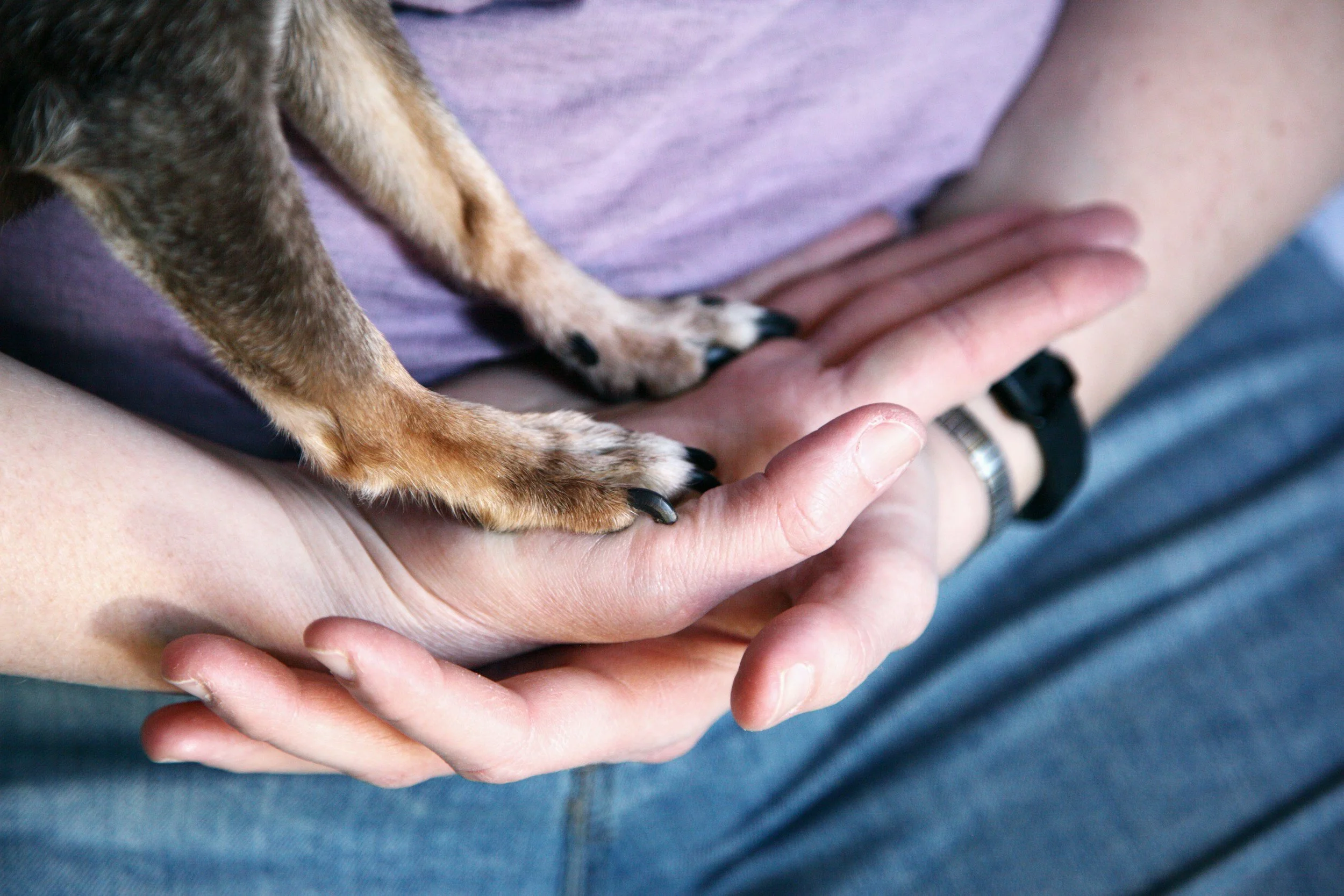
🐾 Quality of Life (QOL) Assessment:
QOL assessments are a valuable tool when considering euthanasia for your pet. QOL assessing can help give an objective score to changes in your pet and can help hone in on specific areas that your pet is struggling. If there are multiple family members, it is best to have multiple members do this seperately and discuss results together.
https://www.creaturecomfortclinic.com/quality-of-life-assessment
🐾 Pain Recognition:
Pets instinctively hide signs of pain & it is rare that a pet yelps or whines unless pain is extreme. Often signs of pain are subtle. Dr. Christina developed this acronym to help families become more “AWARE” of recognizing signs of pain in their pet.
A: Any behavior change or change in daily pattern. Changes in appetite, anxiety, aggression, sleeping patterns, responses to other pets & people, are all things to take notice of and may indicate discomfort / not feeling well.
W: Weight shifting, limping & lameness. These are all signs of pain, even though you may not hear wincing or yelping- these are all signs of discomfort.
A: Activity level changes, restlessness & pacing (difficulty getting comfortable), conversely reluctance to move or sleeping more (especially seen in cats).
R: Restlessness. Difficulty sleeping, difficulty getting in a comfortable position, etc.
E: Expression & Appearance. Watch for signs like panting, trembling, shaking, facial expressions including ear positioning and eye appearance (dilated or constricted pupils), excessive licking, or vocalization.
Link to full article: https://www.creaturecomfortclinic.com/blog/gaining-awareness-of-signs-of-pain-in-pets
🐾 Tracking Good Days vs. Bad Days on a Calendar:
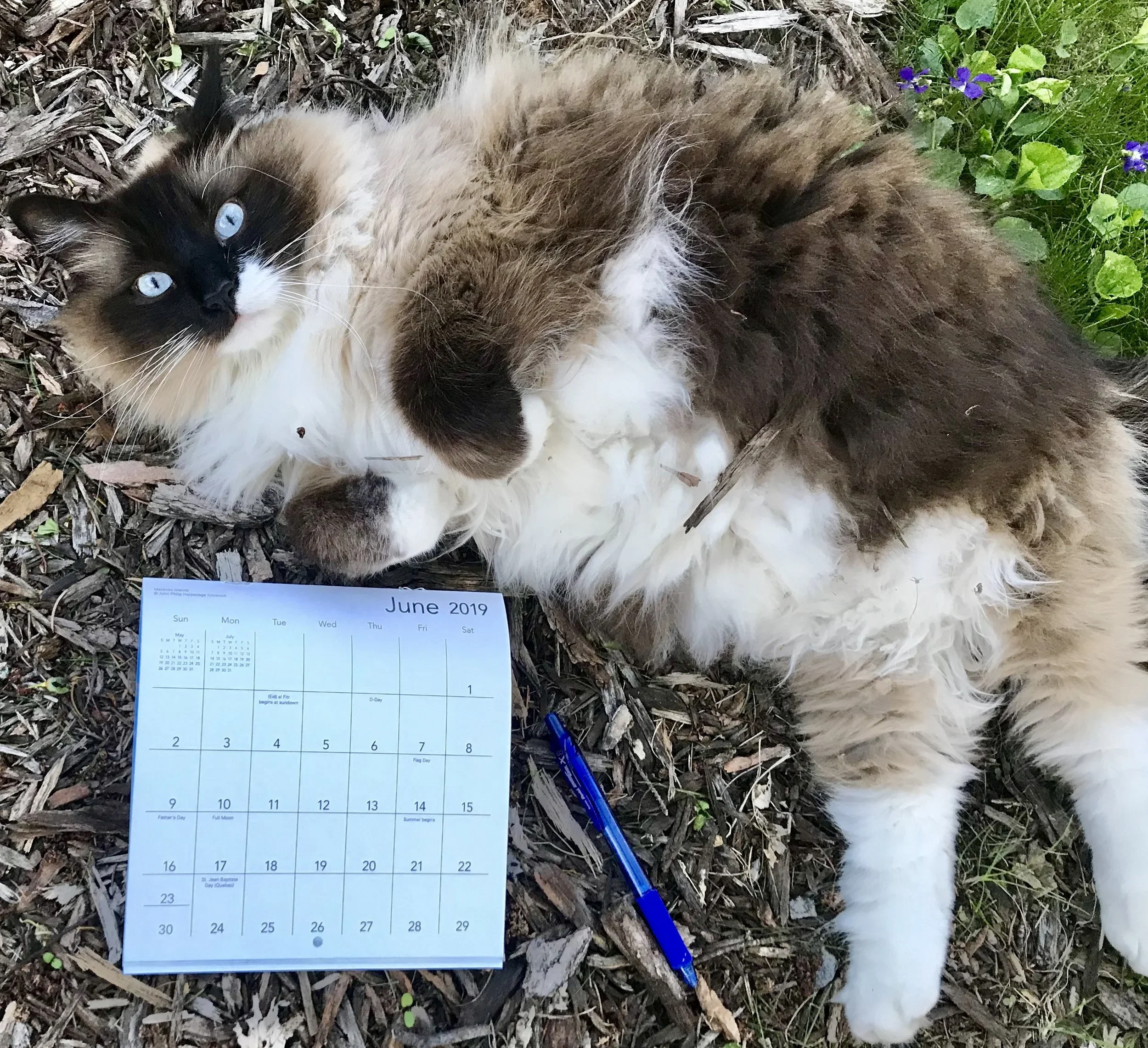
Calendar tracking of changes and good day vs bad day is a helpful tool
Calendar tracking is a useful tool for tracking day to day signs, changes, making notes and listing good or bad events/ days that your pet is showing. By daily tracking, the calendar serves as an effective record for revealing trends, help clarify how your pet is doing on a day to day basis, aid with QOL assessing and help determine when home euthanasia is time. Tracking days on a calendar also helps engage conversation between family and household members & is a convenient way of documenting what medications were given and at what time. If multiple household members are making notes on the calendar, we suggest choosing a different color pen per contributing person.
Details to Include
Overall was today a good day or a bad day? Sometimes certain parts of the day were “bad”, this should be noted.
What medications were given, and when they were given
Make notes about any changes in behavior
How was your pet’s appetite and drinking? Were special foods needed to entice you pet to eat? Did you need to hand feed your pet or bring the food / water to them?
Specific to your pet’s condition and diagnosis, what signs did your veterinarian recommend your be aware of? For example, if your pet was struggling with congestive heart failure, areas to specifically monitor would likely include resting respiratory rate, activity level, coughing, gum coloration and panting
Level of engagement with family members and surroundings